The Science of
Non-Toxic Cookware
Understanding what makes Caraway cookware the safest choice for your kitchen
Sol-Gel Ceramic Technology
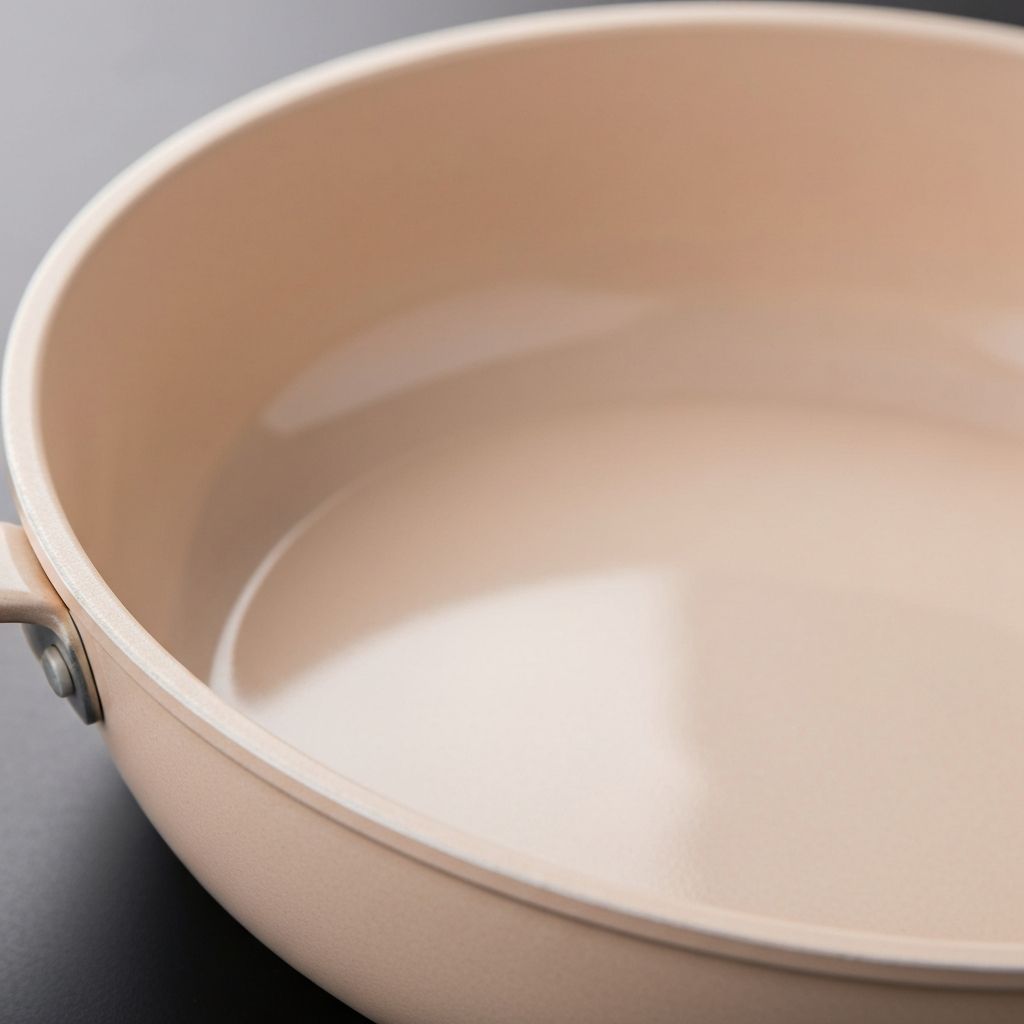
At the heart of every Caraway pan is our proprietary ceramic non-stick coating, created using advanced Sol-Gel technology. Unlike traditional non-stick surfaces that rely on synthetic polymers and toxic chemicals, our coating is derived from natural, mineral-based materials.
What is Sol-Gel? Sol-Gel is a sophisticated chemical process that transforms liquid silica (derived from sand) into a solid, glass-like ceramic coating. This mineral-based surface is applied to our aluminum core at high temperatures, creating a durable, naturally non-stick surface that's completely free from plastic compounds.
The result is a coating that's not only safe for your health but also incredibly resilient. Our ceramic surface can withstand temperatures up to 550°F (287°C), making it suitable for everything from gentle simmering to high-heat searing.
What We Leave Out
Premium cookware isn't just about what we include—it's about what we exclude. Here's our commitment to your family's health.
PTFE (Teflon)
PFOA (Perfluorooctanoic Acid)
PFAS (Forever Chemicals)
Lead
Cadmium
Toxic Heavy Metals
BPA (Bisphenol A)
Phthalates
Is Caraway Cookware Safe?
Yes, absolutely. Unlike conventional non-stick cookware that can release toxic fumes when overheated, Caraway's ceramic coating remains completely inert and safe at all cooking temperatures. Our materials have been rigorously tested and certified by independent laboratories to ensure they meet the highest safety standards.
Traditional non-stick coatings (PTFE/Teflon) can break down at temperatures above 500°F, releasing harmful fumes that have been linked to flu-like symptoms in humans and are particularly dangerous for pet birds. Caraway cookware contains no PTFE, PFOA, or any PFAS compounds—often called "forever chemicals" because they persist in the environment and human body for years.
Caraway Coating Ingredients
Silica (Silicon Dioxide)
Derived from natural sand, silica is the primary ingredient in our ceramic coating. It's the same mineral found in quartz and glass—completely inert and safe for food contact.
Aluminum Core
Our aluminum core provides excellent heat conductivity and distribution. The aluminum never contacts food—it's fully encapsulated by the ceramic coating and stainless steel base.
Stainless Steel Base
The stainless steel base makes our cookware compatible with all stovetops, including induction. This grade of steel is non-reactive and completely food-safe.
Mineral Pigments
Our beautiful colors come from mineral-based pigments that are baked into the ceramic coating at high temperatures. These pigments are stable, non-toxic, and fade-resistant.
Ethical Manufacturing Process
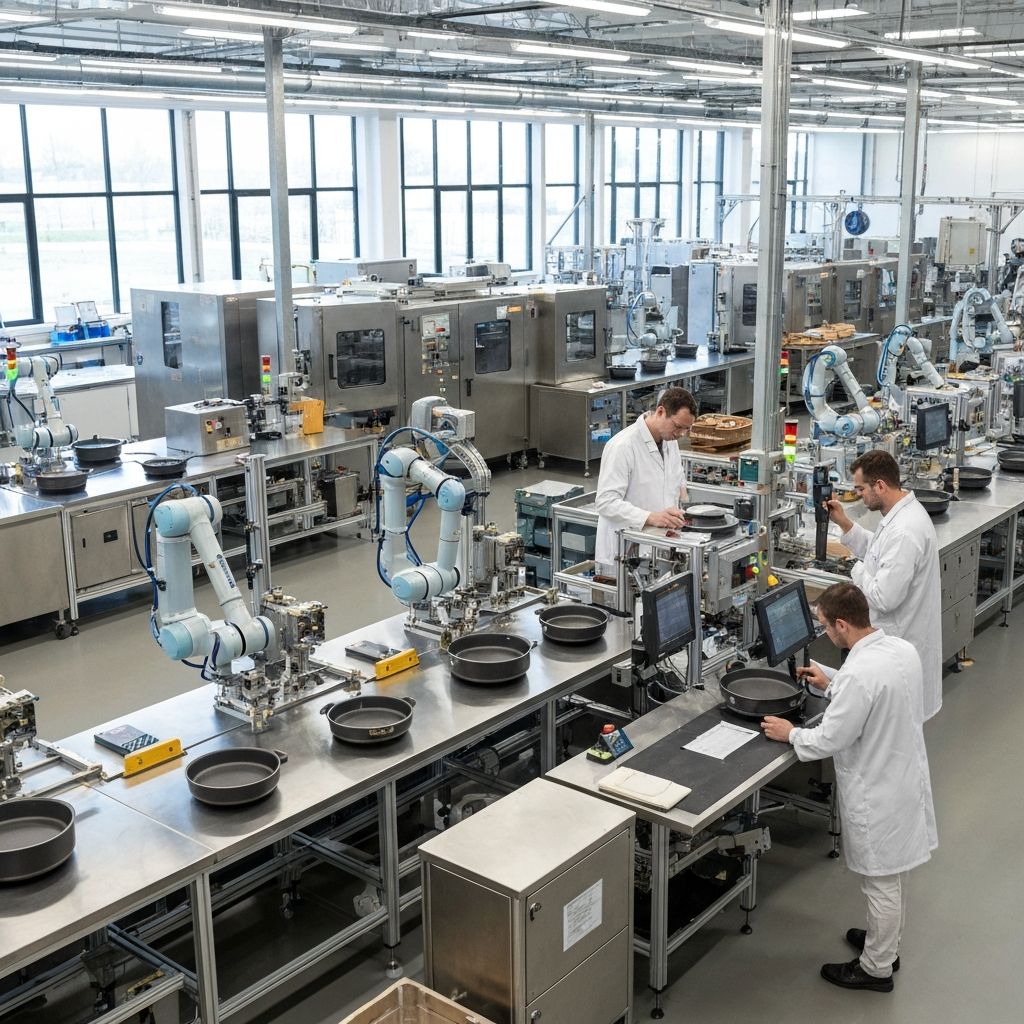
Quality and ethics go hand in hand at Caraway. We partner exclusively with factories that meet rigorous international standards for worker welfare, environmental responsibility, and product safety.
BSCI Certified
Business Social Compliance Initiative ensures ethical labor practices
SMETA Audited
Sedex Members Ethical Trade Audit verifies working conditions
ISO 9001
International quality management standards
Our manufacturing partners are audited annually to ensure compliance with international labor laws, fair wage practices, safe working conditions, and environmental regulations. We believe that premium cookware should be produced ethically at every step.
Environmental Impact
Choosing ceramic over traditional non-stick isn't just better for your health—it's better for the planet.
Lower CO₂ Emissions
Ceramic coating production generates approximately 60% less CO₂ compared to PTFE manufacturing processes.
Forever Chemicals
Unlike PFAS-based coatings that persist in the environment for centuries, our ceramic coating is made from natural minerals.
Recyclable Packaging
All Caraway packaging is made from recyclable materials, minimizing waste and environmental impact.
A Cleaner Manufacturing Process
The production of traditional non-stick cookware involves complex chemical processes that release greenhouse gases and create toxic byproducts. PFOA, once commonly used in Teflon production, has been phased out in many countries due to its environmental persistence and health concerns, but many PFAS alternatives remain problematic.
In contrast, our Sol-Gel ceramic process uses naturally occurring minerals and high-temperature sintering—a method that's been used for centuries in pottery and glassmaking. This approach minimizes chemical waste, reduces energy consumption, and produces zero toxic byproducts. When you choose Caraway, you're supporting a manufacturing process that respects both human health and environmental sustainability.
Experience the Difference
Now that you understand the science behind our cookware, discover which Caraway collection is right for your kitchen.